

Eco-Friendly Homes: Sustainable Living, Lower Costs, and Smarter Insurance Protection
As environmental awareness grows, homeowners are increasingly transforming their properties into eco-friendly living spaces. A sustainable home not only reduces environmental impact but also improves energy efficiency, lowers long-term costs, and may even influence insurance considerations.
Before making upgrades, it’s important to understand how sustainability interacts with homeowners insurance coverage and how certain improvements may affect protection, replacement costs, and eligibility.
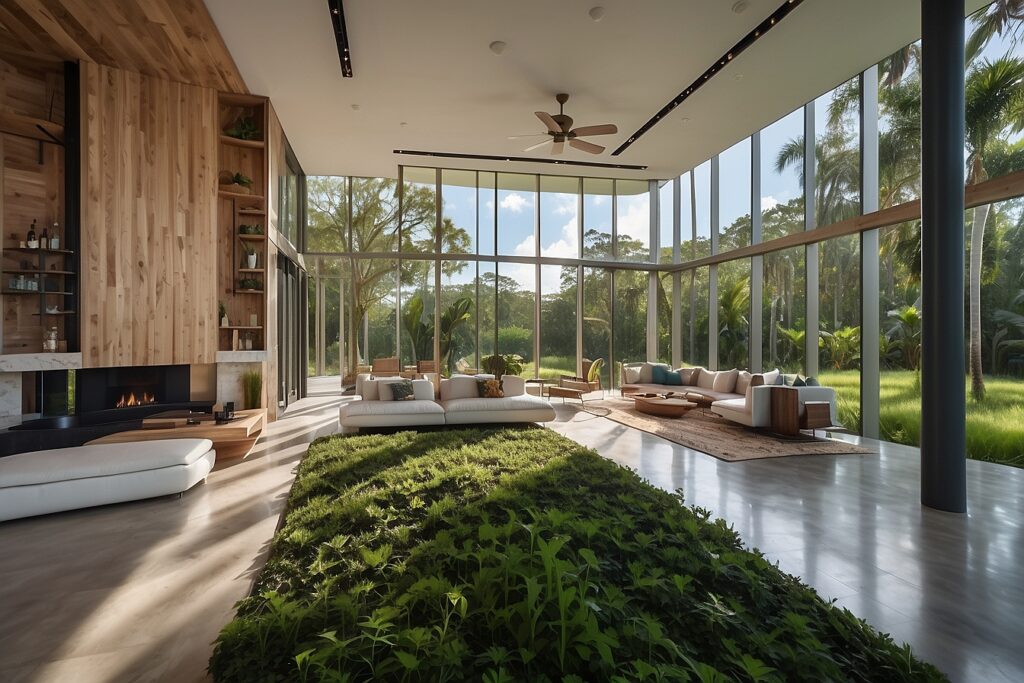
🌱 Sustainability
Eco homes focus on reducing energy consumption, waste, and environmental footprint.
💡 Efficiency
Modern systems improve performance while lowering electricity and water usage.
💰 Cost Savings
Long-term utility savings often offset upfront investment costs.
🛡️ Insurance Impact
Some upgrades may influence claims, replacement costs, or policy options.
What defines an eco-friendly home?
An eco-home is designed to minimize environmental impact through energy efficiency, renewable resources, and sustainable materials.
- Energy-efficient appliances and lighting
- Solar or renewable energy systems
- Water-saving fixtures
- Sustainable building materials
- Improved insulation and air sealing
These improvements often complement broader property protection strategies.
Eco upgrades vs benefits
| Upgrade | Main Benefit | Long-Term Impact |
|---|---|---|
| Solar panels | Renewable energy | Lower electricity costs |
| LED lighting | Lower energy use | Reduced utility bills |
| Insulation upgrades | Better temperature control | Lower heating/cooling costs |
| Low-flow fixtures | Water conservation | Lower water bills |
Key areas to improve sustainability
- Energy: Upgrade HVAC systems, install smart thermostats
- Water: Fix leaks and install efficient fixtures
- Materials: Use recycled or renewable materials
- Waste: Recycle, compost, and reduce consumption
Types of eco-friendly homes
- Passive homes: Ultra-efficient homes with minimal energy use
- Modular homes: Built off-site with reduced waste
- Tiny homes: Small footprint, lower energy needs
- Solar-powered homes: Generate their own electricity
How eco upgrades affect insurance
Eco-friendly upgrades can influence insurance in several ways:
- Higher replacement costs for specialized materials
- Potential discounts for risk-reducing features
- Different claim handling for solar systems or equipment
To better understand policy impacts, review the insurance quote process.
Practical steps to make your home greener
- Switch to LED lighting
- Install smart thermostats
- Upgrade insulation
- Reduce water waste
- Use energy-efficient appliances
If damage occurs during upgrades, follow a proper insurance claim process.
Important: The U.S. Department of Energy estimates that energy-efficient improvements can significantly reduce household energy consumption [1].
Conclusion
Eco-friendly homes represent the future of housing—combining sustainability, efficiency, and financial benefits. By making strategic upgrades and understanding how they interact with insurance, homeowners can create resilient, cost-effective, and environmentally responsible living spaces.
For more guidance, explore our homeowners insurance resources and FAQs.
References
- U.S. Department of Energy – Energy Efficiency Benefits: https://www.energy.gov ↩
- EPA – Green Homes Overview: https://www.epa.gov/greenhomes ↩
